Learn / Rental & short-term rental (Tennessee)
Dwelling Fire vs. Landlord vs. Homeowners: Which Policy Does Your Property Need?
Updated 2026-07-04 · reviewed by a licensed agent
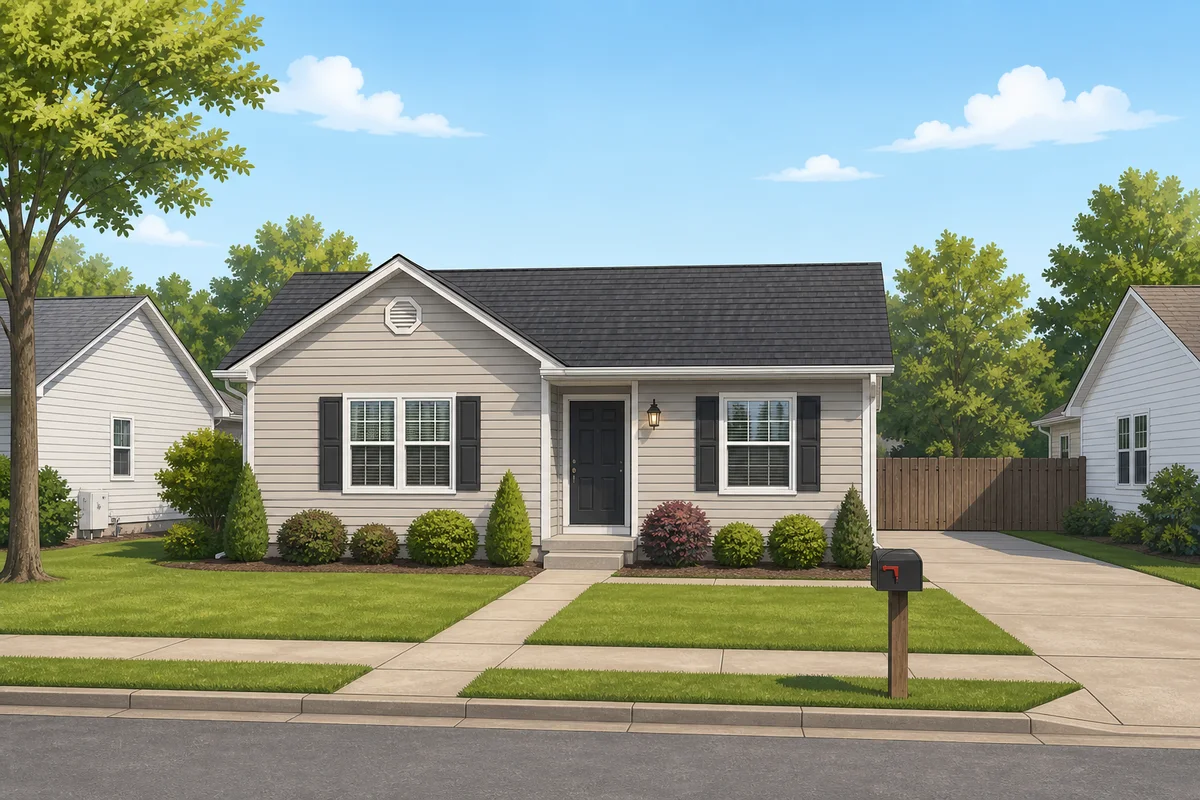
"Do I need homeowners, dwelling fire, or a landlord policy?" comes up constantly once someone owns more than one property — and getting it wrong can mean a denied claim. All three cover a house; they're built for very different situations. Here's how to tell which one fits.
The three policies at a glance
Homeowners (HO) — for the home you live in. It bundles four things: the structure, your personal belongings, personal liability, and loss of use if you're displaced. It's the most complete form, and it assumes the property is your owner-occupied residence.
Dwelling fire (DP) — for a property the owner doesn't live in, or a home that doesn't qualify for a standard HO form. It's a stripped-down, structure-focused policy covering the building against named perils. On its own it doesn't include your contents or personal liability — those get added as needed. It comes in tiers (DP-1, DP-2, DP-3), with DP-3 the broadest.
Landlord policy — a dwelling fire base plus what a landlord actually needs: liability, loss of rental income if a covered loss makes the unit unrentable, and coverage for the contents you provide (appliances, furnishings, a mower). If you rent a property out long-term, this is usually the right home for it.
Which one do you need?
- The home you live in → Homeowners.
- A long-term rental (you own it, a tenant lives there) → Landlord policy (a DP-3 with the landlord coverages).
- A property you own but don't occupy, insured lean → Dwelling fire, with contents/liability added if you want them.
- A short-term rental (Airbnb/VRBO) → its own short-term rental policy — a standard HO or landlord form can leave you exposed. See Airbnb & VRBO host insurance in Tennessee.
- You live in one unit, rent another (duplex) → often a dwelling fire or specialized form, because part of the property is rented.
The through-line: the policy has to match how the building is actually used. Insure a rental on an owner-occupied homeowners form and you risk a denied claim for a use the policy never covered.
A couple of things landlords miss
- Your policy doesn't cover your tenant's stuff. You cover the building, your provided contents, and your liability — the tenant needs their own renters insurance. Requiring it in the lease is smart and cheap protection for everyone.
- Loss of rental income is real coverage. If a fire makes the unit unrentable for four months, a landlord policy can replace that lost rent — a coverage a bare dwelling fire policy may not include.
Get the right policy for each property
Whether it's your home, a rental house, a duplex, or a cabin, the fix is a policy that matches how you actually use the property — and often, once we've got your rental squared away, we end up taking great care of your primary home and auto too.
Start a quote with Lumenbo and we'll match you with one licensed local agent who'll put each property on the right policy. Hosting short-term? Start with the Tennessee short-term rental guide.
What is Lumenbo? Lumenbo is an insurance matching platform that connects people with one licensed local independent agency — and the software those agencies run on. Lumenbo is not an insurance carrier and not an insurance agency. Your Lumenbo-matched agent is a licensed agent at that partner agency, and they stay your point of contact.
Frequently asked
What's the difference between a dwelling fire policy and a homeowners policy?
A homeowners (HO) policy is for an owner-occupied primary residence and bundles the structure, your personal belongings, liability, and loss of use. A dwelling fire (DP) policy is a stripped-down, structure-focused policy built for a property the owner doesn't live in — it covers the building on named perils but, by itself, doesn't include your contents or personal liability.
What is a landlord policy, and how is it different from dwelling fire?
A landlord policy is essentially a dwelling fire policy plus the coverages a landlord needs: liability protection, loss of rental income if a covered loss makes the unit unrentable, and coverage for the contents you provide (appliances, a lawn mower, furnishings). Dwelling fire is the base; landlord is the fuller version for someone renting a property out long-term.
I rent my property on Airbnb — do I need one of these?
Short-term rental is its own category. A standard homeowners or even landlord policy may exclude or limit coverage for short stays, and Airbnb's AirCover isn't a substitute. If you host on Airbnb or VRBO, you want a policy built for short-term rental — see our Tennessee short-term rental guide.
I live in one unit of a duplex and rent the other — which policy?
That owner-occupied situation is often best on a dwelling fire or a specialized policy rather than a standard homeowners form, because part of the property is rented. It depends on the property and carrier — the key is that the policy matches how the building is actually used, so a claim isn't denied.
Does a landlord policy cover my tenant's belongings?
No. Your policy covers your building, your provided contents, and your liability — not your tenant's personal property. Tenants need their own renters insurance for that, which many landlords require in the lease. It's smart to require it.
Ready to get matched? One licensed local agent. No shared leads, no spam.
Start your quote
This article is general information for education, not insurance advice or a quote. Coverage, availability, and rules vary by insurer and by state.