Learn / Homeowners insurance (Tennessee)
Your Wind & Hail Deductible Is a Percentage of Your Home's Value — Here's How to Cover It (Tennessee)
Updated 2026-07-04 · reviewed by a licensed agent
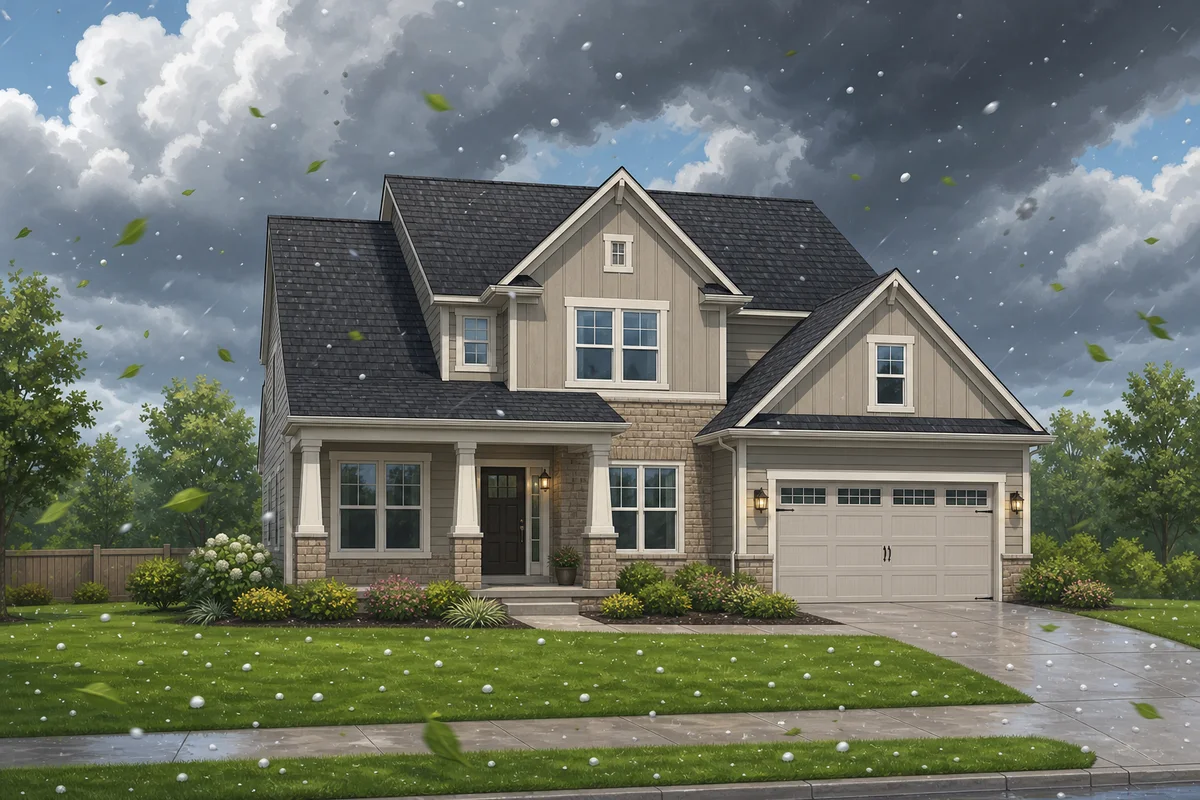
Here's a quiet change hitting Tennessee homeowners: your wind and hail claims may no longer come with a normal deductible. More and more carriers are switching to a percentage-based wind/hail deductible — and on today's higher home values, that can mean a five-figure bill before your policy pays a dime.
The percentage-deductible squeeze
A wind/hail deductible applies specifically to storm damage. Carriers used to set a flat amount ($1,000, $2,500). As severe storms increase across Tennessee — hail, straight-line wind, tornado activity creeping into the state — many carriers have moved to 1% or 2% of your dwelling coverage.
That sounds small until you do the math on it:
- $750,000 home, 1% deductible → $7,500 out of pocket
- $1,000,000 home, 1% deductible → $10,000
- $1,000,000 home, 2% deductible → $20,000
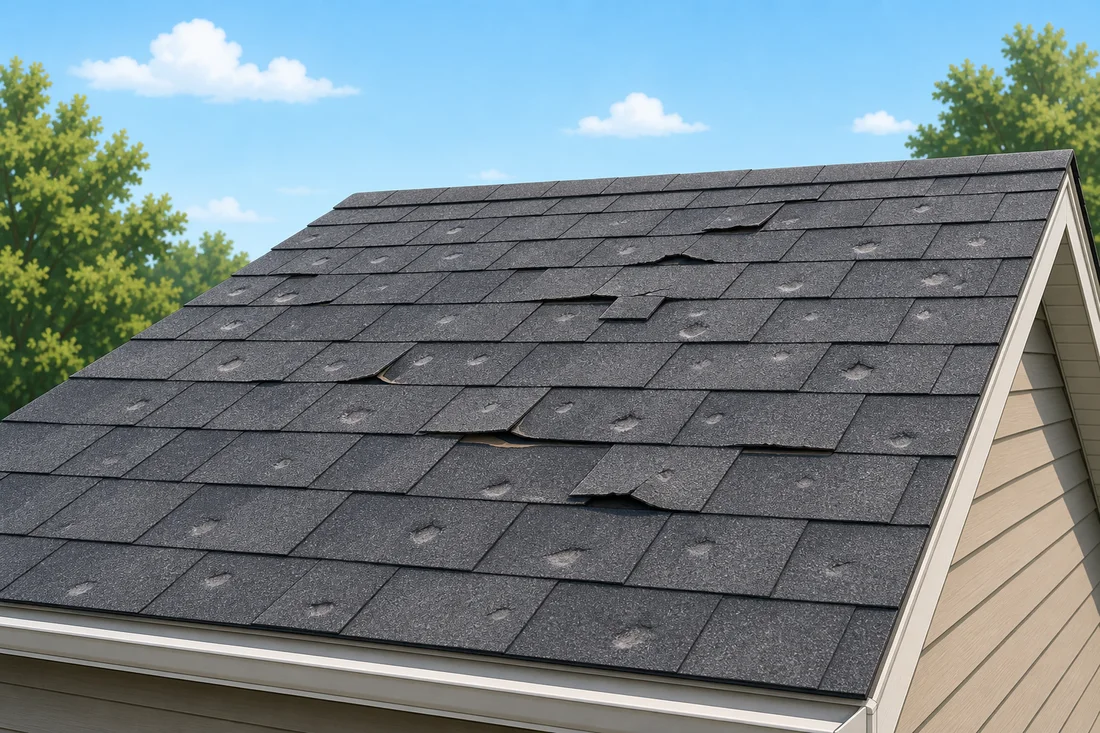
And it stacks right on top of the high-value-home problem: the same inflation pushing homes over $1M is making these percentage deductibles bigger in raw dollars. A hailstorm that dents your roof could leave you writing a $10,000–$20,000 check.
A newer way to cover the deductible
There's a newer type of standalone wind & hail coverage that's designed to solve exactly this. It sits alongside your homeowners policy and is built to offset that large out-of-pocket deductible when a qualifying storm hits. A few things make it genuinely useful:
- It targets the gap. It's meant to cover the wind/hail deductible your homeowners policy leaves you holding.
- It pays on storm data, fast. Rather than waiting on a full adjuster cycle, these policies use verified weather data (confirmed with photos of the damage) and typically pay out in about 7–10 days.
- It can pay whether or not you file a home claim. Because the payout is tied to the qualifying storm, it can help fund a roof after a storm without putting a claim on your homeowners record — or cover your big deductible when you do need to file on the home.
That last point matters: keeping a claim off your homeowners record can protect your rate and your future insurability, especially in a market this firm.
Who this is for
If you own a higher-value Tennessee home — particularly one that's been moved to a 1% or 2% wind/hail deductible — or you have an older roof you're worried about, this coverage is worth a serious look. It's still newer, and not every agency offers it, so most homeowners have never heard it's an option.
See if it fits your home
The first step is knowing what your current wind/hail deductible actually is (many homeowners don't) and what it would cost you in a real storm.
Start a quote with Lumenbo and we'll review your deductible and whether standalone wind & hail coverage makes sense for your home. If your home recently crossed $1M, start with what that threshold does to your insurance.
What is Lumenbo? Lumenbo is an insurance matching platform that connects people with one licensed local independent agency — and the software those agencies run on. Lumenbo is not an insurance carrier and not an insurance agency. Your Lumenbo-matched agent is a licensed agent at that partner agency, and they stay your point of contact.
Frequently asked
What is a wind and hail deductible, and why is mine a percentage?
It's a separate deductible that applies only to wind or hail claims (common in storm-prone areas). Instead of a flat dollar amount, carriers increasingly set it as a percentage of your dwelling coverage — often 1% or 2%. As Tennessee sees more severe storms, more carriers are moving policies to percentage wind/hail deductibles.
How much would a 1% wind/hail deductible actually cost me?
It's 1% of your dwelling limit, not your claim. On a $750,000 home, a 1% deductible is $7,500; a 2% deductible is $15,000. On a $1,000,000 home it's $10,000–$20,000 out of pocket before your policy pays anything. That's a serious gap for most families.
Is there a way to cover the deductible itself?
Yes — a newer type of standalone wind & hail coverage can help offset that big out-of-pocket deductible. It's separate from your homeowners policy and is designed specifically to soften the financial hit after a qualifying storm.
Does it pay even if I don't file a homeowners claim?
That's the useful part. Because this standalone coverage pays based on qualifying storm data (not on your homeowners claim), it can pay out whether or not you file on your home policy — so it can help fund a roof after a storm without a homeowners claim on your record, or cover your large deductible when you do need to file.
How fast does it pay?
These parametric-style policies are built for speed — payouts are triggered by verified weather data and confirmed with photos, often landing within about 7–10 days, rather than waiting on a full adjuster process.
Ready to get matched? One licensed local agent. No shared leads, no spam.
Start your quote
This article is general information for education, not insurance advice or a quote. Coverage, availability, and rules vary by insurer and by state.